DODGE LT-DG2031 Coolant Tank Reservoir 5.7
fits model: 1500, Ram. make: Dodge. year: 2013–2017.
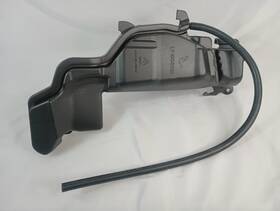
( Manufacturer Part Number: LT-DG2031 ), ( Part Type: Tank ), ( Country Of Origin: United States ), ( Performance Part: Yes )
Review DODGE 5.7 Coolant Tank Reservoir fits RAM 1500 2013–2017
The **Dodge LT-DG2031 Coolant Tank Reservoir** is a precision-engineered, high-performance component designed exclusively for the **2013 2017 Ram 1500** equipped with the **5.7L HEMI V8 engine** (LT4 or LT9 variants). This **polypropylene coolant expansion tank** serves as a critical component of the engine s cooling system, ensuring proper fluid circulation, temperature regulation, and long-term protection against overheating. Crafted from durable, heat-resistant polypropylene, this reservoir is engineered to withstand the demanding thermal cycles of high-performance driving, providing reliable performance in both urban commutes and rugged off-road adventures. Its **clear, ribbed design** allows for easy visual monitoring of coolant levels, enabling drivers to quickly identify and address low-fluid conditions before they escalate into costly engine damage. The reservoir features a **secure, leak-proof cap** with a pressure relief valve to prevent overpressure and vacuum-induced leaks, while its **reinforced mounting bracket** ensures a snug, vibration-dampened fit beneath the hood, minimizing the risk of fluid spillage or system failure. Whether installed in a stock Ram 1500 or a heavily modified performance vehicle, this **OEM-replacement part** maintains factory specifications, including proper capacity, hose connections, and compatibility with the engine s cooling system components. Built to meet or exceed Chrysler s original equipment standards, it offers a seamless upgrade for vehicles experiencing coolant loss, system leaks, or wear from extended use, ensuring optimal engine longevity and efficiency.
### Pros and Cons of Buying a Replacement Coolant Tank Reservoir for a 2013 2017 Dodge Ram 1500 5.7L (LT-DG2031)
#### **Pros:**1. **Prevents Overheating and Engine Damage** A failing coolant reservoir can lead to air pockets in the cooling system, reducing efficiency and causing the engine to overheat. Replacing it ensures proper coolant circulation and prevents costly engine damage.
2. **Easy to Install** The coolant reservoir is a straightforward component to replace, typically requiring only basic tools (socket wrench, new hoses, and coolant). Many DIYers can complete the job in under an hour without professional help.
3. **Affordable Replacement Part** Aftermarket and OEM reservoirs are relatively inexpensive, usually costing between $20 and $60, depending on brand and quality. This makes it a cost-effective fix compared to major engine repairs.
4. **Extends Engine Lifespan** Maintaining a properly functioning cooling system helps keep the engine running smoothly, reducing wear and tear over time.
5. **Prevents Coolant Leaks** A cracked or damaged reservoir can cause coolant leaks, leading to low coolant levels and potential overheating. Replacing it eliminates this risk.
6. **Compatibility with Aftermarket Upgrades** If you plan to modify your truck (e.g., forced induction, high-performance cooling), a new reservoir ensures compatibility with upgraded systems.
---
#### **Cons:**1. **Potential for Counterfeit or Low-Quality Parts** Some aftermarket reservoirs may be poorly made, leading to early failure or leaks. Buying from reputable brands (e.g., ACDelco, Fram, or genuine OEM) mitigates this risk but requires extra research.
2. **Coolant Flush May Be Required** If the old reservoir was leaking, it may have introduced contaminants into the cooling system. A full flush (or at least a partial drain and refill) may be necessary to ensure clean coolant.
3. **Time and Effort for Installation** While simple, the process involves draining coolant, removing old hoses, and ensuring proper sealing. If not done carefully, air pockets can form, reducing cooling efficiency.
4. **Risk of Overlooking Underlying Issues** If the reservoir failure is due to a larger problem (e.g., a failing water pump, radiator leak, or head gasket issue), replacing just the reservoir won t fix the root cause. A thorough inspection is recommended.
5. **Coolant Spills and Waste** Draining coolant requires proper disposal (many auto parts stores accept it for recycling). Improper disposal can be environmentally harmful.
6. **Possible Compatibility Issues with Modified Systems** If the truck has been modified with non-standard cooling components (e.g., custom radiators or extended hoses), the new reservoir may not fit perfectly without adjustments.
---
### **Conclusion:**Replacing a faulty coolant reservoir on a 2013 2017 Dodge Ram 1500 5.7L is a **highly recommended and cost-effective preventive measure**. The benefits preventing overheating, avoiding engine damage, and extending the truck s lifespan far outweigh the minor drawbacks, which are largely avoidable with proper research and installation techniques. The process is straightforward for most DIYers, and the part itself is inexpensive compared to the potential cost of engine repairs.
**If the reservoir is visibly cracked, leaking, or failing, replacing it should be a priority.** However, if you suspect deeper cooling system issues (e.g., persistent overheating, white smoke, or coolant loss), have a mechanic inspect the water pump, hoses, radiator, and head gaskets to address the root cause.
---
### **Recommendation:**1. **Purchase a high-quality replacement** Opt for an OEM or reputable aftermarket brand (e.g., ACDelco, Fram, or Mopar) to avoid premature failure.
2. **Flush the cooling system** If the old reservoir was leaking, drain and refill the coolant to ensure no debris or contaminants remain.
3. **Check for leaks** Inspect hoses, clamps, and the radiator for signs of wear before installation.
4. **Use the correct coolant** Follow the manufacturer s recommendation (typically a 50/50 mix of ethylene glycol and water for the 5.7L Hemi).
5. **Consider professional help if unsure** If you re uncomfortable with the installation or suspect other cooling system issues, a mechanic can perform the repair safely.
6. **Monitor for future issues** Keep an eye on coolant levels and temperature gauges to ensure the replacement is functioning correctly.
**Final Verdict:** **Buy and replace the reservoir promptly if it s failing.** It s a small investment that can save you from much larger (and expensive) problems down the road.
Details:
Unused, excellent condition. 2013 2017 Dodge Ram 1500 5.7 - Coolant Tank Reservoir LT-DG2031.
part #: ltdg2031 prices
- $34.99-$36.00
specifications ocoosys:
- for models: 1500, Ram
- for makes: Dodge
- for years: 2013-2017
- mpn: Lt-dg2031
- part type: Tank
- country of origin: United States
- performance part: Yes
seller ocoosys:
- city: Laredo, Texas
- # reviews: 2737
- rating: 99.7%
shipping ocoosys:
- cost: $35.00
- transit: 4-10 Days
- carrier: USPS
- type: Fixed
- service: USPS Ground Advantage
- class: Standard
payments ocoosys:
- other
- wallet: Paypal
- credit card: Mastercard
general ocoosys:
- condition: New
- Car Truck Parts Accessories > Engine Cooling Components > Other Engine Cooling Components
offer ocoosys:
- quantity: 1
- availability: In Stock
- started: March 10, 2026
- options: Ship-to-home
- sold: 0
returns ocoosys:
- policy: Returns Accepted
- time: 30 Days
- paid by: Seller
Dodge LT-DG2031 Is Similar To:
- 04086463 Mopar Nos Dodge Truck Coolant Overflow Tank Green Cap (33.6% similar) They may have been in storage anywhere from 1-30 years. Does not make the item defective. Sometimes fitment is so old that it does not take into account the trim, engine size or build dates. Fitment usually does not take into account build dates, model change overs or trim levels. Missing gaskets, ...(February 22nd, 2019)
- 04677459ac Dodge Coolant Reservoir Expansion Tank Caravan Town And Country (33.6% similar) 3l all parts are tested and or inspected on off vehicle if possible in excellent working cosmetic condition otherwise stated. Best regards AL...(May 6th, 2018)
- 05226356 Mopar Genuine Coolant Temperature Sensor Dodge Plymouth Chrysler (26.5% similar) Genuine Mopar part. This is not some aftermarket reverse engineered fake. Do it right the first time. Please do your research carefully to make sure this is the correct item for vehicle. Message me with any questions through...(October 21st, 2018)
- 05269870ab Mopar Chrysler Dodge Jeep Engine Coolant Temperature Sensor (31.6% similar) ...(March 31st, 2018)
- 11213 Smashed Performance Dual Radiator Coolant Dodge Cummins (29% similar) Products may be cheaper at BFF performance. Kit includes: 1 billet y-pipe t-bolt clamps...(February 11th, 2019)
- 12705132 Aftermarket Replacement New Coolant Reservoir Ram Pickup Dodge Raider Mitsubishi (38.2% similar) The items are brand new parts that look and fit same as original, except at a much better price...(April 23rd, 2018)
- 273-10335 Walker Products Exhaust Temperature Sensor Fits Dodge Ram 724620096624 (16.8% similar) ...(January 4th, 2019)
- 5058455ad Partzroot New Engine Coolant Reservoir Tank Fits Dodge Journey (32.6% similar) FedEx USPS will not accept any damage claim if the receiver have sign for package...(October 18th, 2018)
- 52014733ac Mopar Dodge Ram Cooler (33.3% similar) 7l diesel crew cab chassis 2WD, crew 4WD, reg regular 4WDRAM55 6 Cl. 7l diesel crew cab chassis 2WD, crew 4W. 7l diesel crew cab chassis 2WD, crew 4WD, Laramie mega longhorn reg regular SLT st 4WDRAM45 6 Cl dodge ram cooler charge-air Mopar 52014733AC make model vehicle option DETAILSRAM25. 7l ...(November 16th, 2018)
- 53022209-ad Chrysler Dodge Ram Chrysler-dodge-ram (28.6% similar) Don't wait, order today to take advantage of the best deals in territory...(January 20th, 2018)
- 55056902ae Mopar Dodge Ram New Charge Air Cooler Factory Oem (34.1% similar) 7l engines new genuine oem Mopar replacement charge air cooler. 12 months warranty at any Chrysler, dodge jeep dealer across the us. New in package genuine oem Mopar charge air cooler part 55056902AE fits 2011 to 2012 dodge ram 2500 equipped with we normally ship fed ex or USA postal service. ...(March 25th, 2019)