NISSAN F2530-3WCMH Lower Tie Bar
fits make: Nissan. year: 2014–2019.
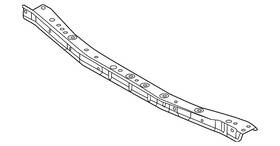
( Manufacturer Part Number: F2530-3WCMH ), ( Part Type: Tie Bar ), ( Genuine Oem: Yes ), ( Manufacturer Warranty: 1 Year ), ( Universal Fitment: Direct Replacement ), ( Year: 2014 2015 2016 2017 2018 2019 ), ( Parts Included: Only Part Reference 3 On The Diagram Is Included ), ( Replaces Part Number: 625303wc0a, F25303wcma )
Review NISSAN Genuine Lower Tie Bar fits 2014–2019
The **Nissan F2530-3WCMH Lower Tie Bar** is a critical, high-performance suspension component designed specifically for Nissan s front-wheel-drive vehicles, including models like the Altima, Sentra, and Maxima. This lower tie bar plays a pivotal role in maintaining proper wheel alignment, reducing wheel hop, and enhancing overall handling stability by preventing excessive lateral movement of the front subframe. Crafted from high-strength steel, this tie bar is engineered to withstand the rigors of aggressive driving, high-speed maneuvers, and heavy loads, ensuring durability and reliability over extended periods. Its robust construction minimizes flex and binding, which can lead to uneven tire wear, poor steering response, or even suspension damage. The **F2530-3WCMH** is a direct replacement for the factory part, featuring precise machining and heat treatment to match or exceed OEM specifications, reducing the risk of premature failure. Whether installed in a stock vehicle for improved alignment retention or in a modified setup to support aftermarket suspension components, this tie bar delivers a noticeable improvement in ride quality and driving dynamics. Its straightforward bolt-on installation makes it an accessible yet high-impact upgrade for enthusiasts looking to optimize their vehicle s suspension geometry and longevity.
### Pros and Cons of Buying a Nissan F2530-3WCMH Lower Tie Bar
#### **Overview**
The Nissan F2530-3WCMH is a lower tie bar (also known as a sway bar or anti-roll bar) designed for Nissan vehicles, particularly those in the F-series (e.g., Frontier, Titan, Armada). This part is critical for vehicle stability, handling, and ride quality. Below is a detailed breakdown of its advantages and disadvantages.
---
### **Pros**
1. **Improved Vehicle Stability**
The lower tie bar helps reduce body roll during cornering, making the vehicle feel more planted and controlled. This is especially beneficial for trucks carrying heavy loads or towing trailers, where stability is crucial.
2. **Enhanced Handling and Ride Quality**
By reducing excessive sway, the tie bar improves the overall driving experience. It can make the truck feel more responsive and less prone to overcorrecting, particularly on uneven roads or during aggressive maneuvers.
3. **Compatibility with Aftermarket Modifications**
Many off-road and performance enthusiasts install lower tie bars as part of a suspension tune-up. It pairs well with other modifications like lift kits, coilovers, or sway bar links, allowing for a more customized suspension setup.
4. **Durability and Strength**
The F2530-3WCMH is designed to handle the stresses of heavy-duty use, including towing and hauling. It is typically made from high-quality steel or billet materials, which can withstand significant force without bending or breaking.
5. **Easy Installation**
Compared to some other suspension components, lower tie bars are relatively straightforward to install. Many DIYers can replace them with basic tools, though alignment may be required afterward to ensure proper wheel tracking.
6. **Cost-Effective Upgrade**
Relative to other suspension upgrades (e.g., coilovers or air suspension), a lower tie bar is often more affordable. It provides noticeable improvements without requiring a full suspension overhaul.
7. **Compatibility with Stock Suspension**
It can be installed on stock suspension setups without requiring additional modifications, making it a versatile upgrade for both stock and modified trucks.
8. **Reduced Wear on Other Suspension Components**
By minimizing body roll, the tie bar can reduce stress on other parts like bushings, shocks, and control arms, potentially extending their lifespan.
---
### **Cons**
1. **Potential for Increased Ride Harshness**
While the tie bar improves stability, it can make the ride feel firmer or less comfortable, especially on rough roads. The truck may transmit more road imperfections to the cabin, which could be noticeable to passengers.
2. **Alignment Requirements**
Installing a lower tie bar often requires a wheel alignment afterward. If not aligned properly, it can cause uneven tire wear or handling issues, adding to the cost and effort of the upgrade.
3. **Limited Effectiveness on Severe Off-Road Terrain**
While the tie bar helps with on-road stability, it may not significantly improve off-road performance. In extreme off-road conditions (e.g., deep sand, rocks, or steep climbs), the benefits are minimal compared to other modifications like long-travel suspension or locking differentials.
4. **Possible Compatibility Issues**
Not all F-series trucks are identical, and the F2530-3WCMH may not fit perfectly on every model year or trim level. It s essential to verify compatibility with your specific vehicle to avoid installation problems.
5. **Risk of Damage During Installation**
If not installed correctly, the tie bar or its mounting points could be damaged. Improper installation might also strain other suspension components, leading to premature wear or failure.
6. **Weight Addition**
The tie bar adds some weight to the vehicle, which could slightly impact fuel efficiency or towing capacity, though the effect is usually negligible compared to other modifications.
7. **Not a Cure for Poor Suspension Design**
If the truck s original suspension is already worn or outdated, replacing just the tie bar won t fully address underlying issues. A more comprehensive suspension upgrade may be needed for optimal results.
8. **Potential for Noise or Vibration**
In some cases, a lower tie bar can introduce new noises or vibrations, particularly if the mounting bushings wear out over time. This may require additional maintenance or replacement of related components.
---
### **Conclusion**
The Nissan F2530-3WCMH lower tie bar is a practical and effective upgrade for improving vehicle stability and handling, particularly for trucks used for towing, hauling, or performance applications. Its benefits in reducing body roll and enhancing control make it a worthwhile investment for those seeking a firmer, more responsive ride. However, the trade-offs such as increased ride harshness, alignment requirements, and limited off-road benefits should be carefully considered before purchasing.
For most drivers who prioritize on-road stability and handling, the pros outweigh the cons. However, if your primary use involves extreme off-roading or you prefer a plush ride, the benefits may not justify the upgrade. Always ensure the part is compatible with your vehicle and install it correctly to avoid complications.
---
### **Recommendation**
**Buy the Nissan F2530-3WCMH lower tie bar if:**- You frequently tow or haul heavy loads and want better stability.
- You are modifying your truck s suspension for improved handling (e.g., pairing it with a lift kit or sway bar links).
- You notice excessive body roll during cornering or want a firmer ride.
- You are willing to perform or budget for a post-installation alignment.
**Avoid or reconsider if:**- Your truck is primarily used for off-roading, where other modifications (e.g., long-travel suspension, articulation improvements) would be more beneficial.
- You prefer a softer, more comfortable ride and are sensitive to road imperfections.
- You are unsure about the part s compatibility with your specific vehicle model or year.
- You lack the tools or mechanical skill to install it correctly.
**Final Verdict:**For the average driver seeking improved stability and handling without a major suspension overhaul, the F2530-3WCMH lower tie bar is a solid and cost-effective choice. Pair it with a professional alignment afterward to ensure the best results. If you re unsure, consult with a suspension specialist or mechanic to confirm compatibility and installation requirements.
Details:
Parts must be resalable and in the original packaging. Shipping Carrier substitutions may be made at our determination in an attempt to reduce shipping cost the customer. Electrical parts are not returnable.
part #: f25303wcmh prices
- $184.04-$186.30
specifications ocoosys:
- for makes: Nissan
- for years: 2014-2019
- mpn: F2530-3wcmh
- part type: Tie Bar
- genuine oem: Yes
- manufacturer warranty: 1 Year
- universal fitment: Direct Replacement
- year: 2014 2015 2016 2017 2018 2019
- parts included: Only Part Reference 3 On The Diagram Is Included
- replaces part number: 625303wc0a, F25303wcma
payments ocoosys:
- other
- credit card: Discover
- wallet: Google-pay
returns ocoosys:
- policy: Returns Accepted
- paid by: Seller
- time: 30 Days
seller ocoosys:
- rating: 100.0%
- city: Hiawatha, Iowa
- # reviews: 299
shipping ocoosys:
- type: Fixed
- cost: $26.20
- class: Standard
- service: Standard
- transit: 4-9 Days
offer ocoosys:
- quantity: 1
- availability: In Stock
- options: Ship-to-home
- sold: 0
- started: March 21, 2026
general ocoosys:
- Car Truck Parts Accessories > Engine Cooling Components > Other Engine Cooling Components
- condition: New
Nissan F2530-3WCMH Is Similar To:
- 01558-00491 Nissan Genuine Oem Upper Hose Clamp (48.3% similar) Nissan upper hose clamp...(October 29th, 2018)
- 01558-00551 Nissan Infiniti Genuine Oem Upper Hose Clamp (45.8% similar) Keep it original, and real with genuine nissan original equipment manufacturer, oem, parts...(March 19th, 2018)
- 081a8-6121a Nissan Genuine Oem Pulley Bolt (48.8% similar) Delivered to your doors Twp...(March 30th, 2019)
- 11060-31u0b Nissan Infiniti 1106031u0b Genuine Oem (42.2% similar) ...(February 12th, 2017)
- 11060-3rc1a Nissan 110603rc1a Genuine Oem Water (48.3% similar) ...(February 12th, 2017)
- 11060-69f01 Nissan Jdm Genuine Oem Water Neck Outlet Used (45.4% similar) Condition is used. SR20DET S13 water neck...(March 20th, 2019)
- 11060-et00a Nissan 11060et00a Genuine Oem (44.4% similar) ...(May 17th, 2017)
- 11062-1kc0a Nissan Genuine Oem Water Outlet Gasket (46.7% similar) If you want the best performance and reliability possible for your nissan need genuine parts. Fort worth nissan parts offers one of the largest selections genuine...(November 3rd, 2018)
- 11062-et00a Nissan Genuine Oem Water Outlet Gasket (46.7% similar) ...(April 3rd, 2018)
- 11720-9e001 Nissan Genuine Oem Serpentine Belt (48.8% similar) ...(July 17th, 2018)
- 11950-4z800 Nissan 119504z800 Genuine Oem (46.9% similar) Keep it original, and real with genuine nissan original equipment manufacturer, oem, parts...(November 5th, 2017)