VOLKSWAGEN 5C6-121-284-B Air Baffle
fits make: Volkswagen. year: 2011–2014.
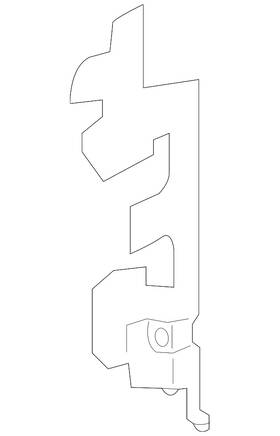
( Manufacturer Part Number: 5C6-121-284-B ), ( Part Type: Baffle ), ( Genuine Oem: Yes ), ( Manufacturer Warranty: 1 Year ), ( Universal Fitment: Direct Replacement ), ( Year: 2011 2012 2013 2014 ), ( Parts Included: Only Part Reference 8 On The Diagram Is Included )
Review VOLKSWAGEN Genuine Air Baffle fits 2011–2014
The **Volkswagen 5C6-121-284-B Air Baffle** is a precision-engineered component designed specifically for the intake system of select Volkswagen and Audi vehicles, ensuring optimal airflow while maintaining structural integrity and noise reduction. This baffle is a critical part of the engine bay s air filtration and sound-dampening assembly, positioned between the air intake and the engine compartment to minimize turbulence, reduce engine noise, and prevent foreign debris from entering the intake tract. Crafted from high-quality, durable materials likely reinforced plastic or a composite blend this baffle is engineered to withstand the rigors of daily driving, including exposure to heat, vibration, and minor impacts, while maintaining its shape and functionality over time. Its unique design features strategically placed baffles and channels that direct airflow smoothly toward the throttle body or air filter housing, enhancing engine efficiency and performance. Whether installed in a modern Golf, Jetta, or Audi model, this component plays a subtle yet vital role in preserving the vehicle s original sound signature and intake dynamics, making it an essential part of any comprehensive engine bay restoration or upgrade project. Proper installation requires careful alignment with the surrounding intake components, ensuring a secure fit to prevent air leaks and maintain optimal airflow. For those seeking to restore factory sound levels, improve intake efficiency, or address specific noise concerns, the **5C6-121-284-B Air Baffle** serves as a reliable, factory-matched solution.
### **Pros and Cons of buying a Volkswagen 5C6-121-284-B Air Baffle**
The **Volkswagen 5C6-121-284-B air baffle** is a critical component for the **VW 1.8T, 2.0T, and 2.8T engines**, particularly in models like the **Golf Mk4, Jetta, Passat B5/B6, and Audi A4 (B5/B6)**. Below is a detailed analysis of its advantages and drawbacks.
---
### **Pros**
1. **Prevents Oil Contamination**
- The air baffle separates intake air from the crankcase, reducing the risk of oil dilution in the combustion chamber. This is especially important in turbocharged engines where oil can be drawn into the intake system, leading to poor performance and engine damage.
2. **Improves Engine Reliability**
- By maintaining proper oil levels and preventing excessive blow-by gases from entering the intake, the baffle helps extend engine life. Turbocharged engines are particularly prone to oil starvation if this component fails.
3. **Easy to Install and Replace**
- The part is relatively straightforward to install, requiring only basic tools. Most mechanics can replace it in under an hour, making it a cost-effective maintenance item compared to major engine repairs.
4. **Common and Widely Available**
- As a standard OEM (Original Equipment Manufacturer) part, it is easy to find at Volkswagen dealerships, auto parts stores, or online retailers. Aftermarket alternatives are also available at lower costs.
5. **Prevents Carbon Buildup**
- A failing baffle can allow unburned fuel and carbon particles to enter the intake, leading to carbon deposits on intake valves and pistons. Replacing it helps maintain cleaner combustion chambers.
6. **Cost-Effective Compared to Engine Damage**
- The part itself is relatively inexpensive (typically **$20 $60**, depending on source). Replacing it proactively is far cheaper than dealing with turbo failure, oil dilution, or piston damage.
7. **OEM Quality (When Purchasing Genuine Parts)**
- If buying from a reputable dealer, the OEM part ensures a proper fit and long-term reliability. Aftermarket versions may vary in quality, so sourcing from trusted brands is recommended.
---
### **Cons**
1. **Potential for Counterfeit or Low-Quality Parts**
- Some aftermarket or eBay sellers may offer fake or substandard replicas. A poorly made baffle may not seal correctly, leading to the same issues it s supposed to prevent.
- **Solution:** Purchase from authorized dealers or well-reviewed suppliers.
2. **Can Be Overlooked in Routine Maintenance**
- Many mechanics and owners may not prioritize replacing the baffle unless symptoms (oil in intake, reduced power, rough idle) appear. This can lead to delayed replacement and increased wear.
3. **May Require Additional Work**
- In some cases, replacing the baffle may require removing the intake manifold or turbocharger, depending on engine configuration. This can add labor costs if not done carefully.
4. **Not a Permanent Fix for Underlying Issues**
- If the engine has significant blow-by or internal wear, replacing just the baffle may not fully resolve the problem. A **compression test** or **leak-down test** may be needed to diagnose deeper issues.
5. **Some Aftermarket Parts May Not Fit Perfectly**
- While most aftermarket baffles are designed to fit, slight variations in gasket thickness or mounting holes can cause leaks. Genuine OEM parts are the safest bet for a perfect seal.
6. **Time-Consuming for DIYers**
- If the owner lacks mechanical experience, the process of removing the intake, locating the baffle, and reinstalling everything properly can be frustrating. Improper handling may lead to further damage.
---
### **Conclusion**
The **Volkswagen 5C6-121-284-B air baffle** is a **critical but often overlooked** component that plays a key role in maintaining engine health, especially in turbocharged VW/Audi engines. Its primary function preventing oil contamination and blow-by gases from entering the intake directly impacts **performance, reliability, and longevity**.
While the part itself is **inexpensive and easy to replace**, the real value lies in **preventing costly engine damage** down the line. Neglecting it can lead to **turbo failure, oil dilution, carbon buildup, and reduced power**, making it a **proactive maintenance item** rather than a reactive repair.
---
### **Recommendation**
1. **Replace It Proactively**
- If your vehicle has **high mileage (100,000 miles) or shows signs of oil dilution (white smoke from exhaust, oil in the intake)**, replace the baffle as soon as possible.
- For **preventative maintenance**, consider replacing it around **80,000 100,000 miles**, especially in turbocharged engines.
2. **Buy Genuine or High-Quality Aftermarket**
- **OEM (Volkswagen part)** is the safest choice for a perfect fit.
- If opting for aftermarket, choose **well-reviewed brands** (e.g., **Fel-Pro, Dorman, or Mann Filter**) to avoid counterfeit parts.
3. **Inspect for Leaks or Damage**
- Before installation, check the **gasket and mounting surfaces** for cracks or wear. Replace the gasket if necessary.
4. **Consider a Full Intake System Check**
- If replacing the baffle, take the opportunity to **clean the intake manifold, check for carbon buildup, and inspect the turbocharger** for leaks or wear.
5. **DIY or Professional Installation?**
- **For experienced DIYers:** Replacing the baffle is a manageable job with proper instructions.
- **For beginners:** A professional mechanic ensures proper sealing and avoids potential mistakes.
6. **Monitor Engine Behavior After Replacement**
- After installation, watch for **improved idle smoothness, reduced oil consumption, and better power response**. If issues persist, further diagnostics may be needed.
### **Final Verdict**
**Worth the investment.** The **5C6-121-284-B air baffle** is a **low-cost, high-reward** part that can **prevent thousands of dollars in engine repairs**. If your vehicle is turbocharged and approaching **high mileage**, replacing it should be a **priority maintenance task**. Always source **genuine or trusted aftermarket parts** to ensure reliability.
Details:
Shipping Carrier substitutions may be made at our determination in an attempt to reduce shipping cost the customer. Parts must be resalable and in the original packaging. Electrical parts are not returnable. Sedan, without turbocharger.
2.0L, gas without turbocharger.
part #: 5c6121284 prices
- $36.78-$63.87
specifications ocoosys:
- for makes: Volkswagen
- for years: 2011-2014
- mpn: 5c6-121-284-b
- part type: Baffle
- genuine oem: Yes
- manufacturer warranty: 1 Year
- universal fitment: Direct Replacement
- year: 2011 2012 2013 2014
- parts included: Only Part Reference 8 On The Diagram Is Included
payments ocoosys:
- wallet: Apple-pay
- credit card: Diners-club
- other
seller ocoosys:
- # reviews: 455
- city: Fargo, North Dakota
- rating: 98.6%
general ocoosys:
- condition: New
- Car Truck Parts Accessories > Engine Cooling Components > Other Engine Cooling Components
returns ocoosys:
- policy: Returns Accepted
- time: 30 Days
- paid by: Seller
offer ocoosys:
- quantity: 2
- sold: 0
- started: February 20, 2026
- availability: In Stock
- options: Ship-to-home
shipping ocoosys:
- carrier: UPS
- cost: $28.36
- service: UPS Ground, UPS 2nd Day Air, UPS Next Day Air Saver
- type: Fixed
- class: Standard, Expedited, One-day
- transit: 3-6 Days
Volkswagen 5C6-121-284 Is Similar To:
- 022-121-121-e Volkswagen Genuine Oem Thermostat Housing (40.8% similar) ...(June 9th, 2018)
- 038-121-065-bf Volkswagen 038121065bf Genuine Oem (54.3% similar) Everyday convenience...(June 20th, 2017)
- 03g-121-132-b Volkswagen Genuine Oem Flange (46.5% similar) At sixteen, he borrowed 500 from a family friend and bought used car to fix up sell. He was raised by his older sisters. In 1994 , after the death of his beloved, Helen, Charles retired and turned reins auto group to son, Doug. After that he bought more and began a used car business...(May 3rd, 2018)
- 06h-121-119-e Volkswagen Audi Genuine Oem Thermostat Cover Seal (43.4% similar) ...(April 29th, 2018)
- 077-121-121-d Volkswagen 077121121d Genuine Oem (55.6% similar) Everyday convenience...(June 20th, 2017)
- 07k-109-163-a Volkswagen Audi Genuine Oem Flange Ring (43.8% similar) ...(April 28th, 2018)
- 07k-121-117-c Volkswagen Genuine Oem Thermostat Hsng (42.1% similar) Donor vehicle part information year: 2006 make: volkswagen model: Etta condition this item has been tested prior to removal. Please compare part number to insure fitment...(January 4th, 2019)
- 07k-121-119-a Volkswagen Genuine Oem Thermostat Gasket (41.2% similar) ...(April 29th, 2018)
- 1j0-122-447-fk Volkswagen 1j0122447fk Genuine Oem (54.3% similar) Don't wait order today to take advantage of the best deals...(November 11th, 2017)
- 3c0-121-345-ah Volkswagen 3c0121345ah Genuine Oem (56.5% similar) Don't wait order today to take advantage of the best deals...(November 11th, 2017)
- 4e0121276 Genuine Volkswagen Audi Vw Mounting (31.8% similar) Genuine VW Audi - mounting 4E0121276 mfg: please for any fitment questions. Please with any questions regarding product availability. If you would like to request a quote have this product shipped outside of the contiguous us, please...(July 19th, 2018)