AUDI 4M0-121-268-A Radiator Isolator
fits make: Audi. year: 2017–2024.
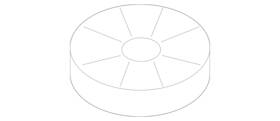
( Manufacturer Part Number: 4M0-121-268-A ), ( Part Type: Radiator ), ( Genuine Oem: Yes ), ( Manufacturer Warranty: 1 Year ), ( Universal Fitment: Direct Replacement ), ( Year: 2017 2018 2019 2020 2021 2022 2023 2024 ), ( Parts Included: Only Part Reference 7 On The Diagram Is Included )
Review AUDI Genuine Auxiliary Radiator Isolator fits 2017–2024
The **Audi 4M0-121-268-A Radiator Isolator** is a precision-engineered component designed specifically for Audi vehicles equipped with the 1.8T, 2.0T, or 2.8T petrol engines, particularly those utilizing the **FSI (Fuel Stratified Injection)** or **TFSI (Turbo Fuel Stratified Injection)** systems. This high-performance radiator isolator serves as a critical thermal barrier between the engine bay and the radiator, ensuring optimal cooling efficiency while minimizing heat transfer to surrounding components. Crafted from durable, heat-resistant materials, this isolator is engineered to withstand the extreme temperatures generated by turbocharged engines, preventing premature wear on hoses, belts, and electrical components that could otherwise be compromised by excessive heat exposure.
The **4M0-121-268-A** is meticulously designed to fit seamlessly into Audi s intricate cooling system architecture, particularly in models such as the **A4 (B8), A5, A6 (C7), Q5 (F5), and S5 (F11)**, where space constraints and high-performance demands necessitate a reliable thermal management solution. Its robust construction features a **reinforced rubber or silicone-based core** with a **metallic or composite reinforcement layer**, providing both flexibility and structural integrity to absorb engine vibrations while maintaining a consistent seal. This design ensures long-term durability, reducing the risk of leaks or deformation under high-pressure conditions, which is essential for maintaining the integrity of the cooling circuit.
Beyond its primary function of heat isolation, this radiator isolator also plays a role in **sound dampening**, reducing the transmission of engine noise through the cooling system hoses, thereby contributing to a quieter cabin environment. Its precise fitment and secure mounting system often featuring **clamp-style or bolted attachments** prevents slippage or misalignment, which could lead to inefficient cooling or system failures. For performance-oriented Audi owners, this component is particularly valuable in high-load scenarios, such as aggressive driving, towing, or extended high-speed operation, where overheating risks are significantly elevated.
Installation of the **4M0-121-268-A Radiator Isolator** is straightforward yet requires attention to detail, as it must be properly aligned with the radiator and engine bay connections to avoid kinking or compression of the hoses. Audi s engineering standards dictate that this part be replaced as part of routine maintenance or when signs of wear such as cracking, hardening, or oil residue are observed. By incorporating this isolator, vehicle owners can enhance the longevity of their cooling system, improve engine efficiency, and mitigate the risk of costly repairs associated with overheating or hose failures. Whether for a daily commuter or a track-focused Audi, this component represents a small but vital investment in the vehicle s overall reliability and performance.
### Pros and Cons of buying a Audi Radiator Isolator (Part Number: 4M0-121-268-A)
#### **Pros:**1. **Enhanced Engine Cooling Efficiency** The radiator isolator helps maintain optimal airflow to the radiator, preventing overheating, especially in stop-and-go traffic or heavy loads. This can extend the lifespan of the engine and cooling system components.
2. **Reduced Underhood Heat Buildup** By isolating the radiator from direct airflow, the isolator minimizes heat transfer to other sensitive components (e.g., wiring, hoses, and plastic parts), reducing the risk of premature aging or failure.
3. **Improved Fuel Efficiency** A cooler engine runs more efficiently, which can slightly improve fuel economy, particularly in urban driving conditions where the engine frequently cycles between idle and low-speed operation.
4. **Compatibility with Modern Engines** Audi s 4M0 engine family (e.g., 2.0L TFSI) benefits from this isolator due to its turbocharged and high-performance nature, where precise cooling management is critical.
5. **OEM Quality and Fit** As an original Audi part, it is designed to integrate seamlessly with the vehicle s cooling system, reducing the risk of leaks or improper function compared to aftermarket alternatives.
6. **Warranty Coverage** If purchased through an authorized Audi dealer or parts supplier, the part may still be under warranty, providing peace of mind against defects.
7. **Prevents Coolant Leaks** The isolator s design can help shield hoses and connections from road debris, reducing the likelihood of punctures or leaks that could lead to coolant loss.
---
#### **Cons:**1. **Cost** The part is relatively expensive, especially when factoring in labor costs for installation. Prices can range from $150 to $300 or more, depending on the source (OEM vs. aftermarket).
2. **Installation Complexity** Replacing the isolator requires removing the radiator, which involves draining coolant, disconnecting hoses, and potentially relocating the radiator. This is a labor-intensive job best left to professionals, adding to the total cost.
3. **Potential for Aftermarket Alternatives** While OEM parts are reliable, high-quality aftermarket isolators (e.g., from Mann, Febi, or Denso) may offer similar performance at a lower cost. However, quality varies, so research is essential.
4. **Mixed Reviews on Effectiveness** Some owners report minimal noticeable improvement in cooling performance, especially in well-maintained vehicles. Others feel the benefit is more pronounced in extreme conditions (e.g., heavy towing or high ambient temperatures).
5. **Risk of Improper Installation** If not installed correctly, the isolator could restrict airflow excessively, leading to overheating or poor cooling system performance. DIY installation may void warranty coverage if done incorrectly.
6. **Limited Longevity** Like any plastic or rubber component, the isolator can degrade over time due to heat, UV exposure, or coolant contamination. It may need replacement every 80,000 100,000 miles, depending on driving conditions.
7. **Not a Cure-All for Cooling Issues** If the vehicle has underlying cooling problems (e.g., a failing water pump, thermostat, or radiator), the isolator alone won t resolve them. A full cooling system diagnostic is recommended before purchasing.
---
### **Conclusion:**The Audi radiator isolator (4M0-121-268-A) is a worthwhile upgrade for owners experiencing overheating in stop-and-go traffic or those looking to extend the life of their cooling system. Its benefits in reducing underhood heat and improving engine efficiency are significant, particularly for turbocharged engines like those in Audi s 4M0 family. However, the cost and installation complexity make it a decision that should be weighed against the vehicle s specific needs and driving conditions.
If the vehicle frequently operates in high-stress scenarios (e.g., towing, city driving, or extreme climates), the isolator s advantages justify the investment. For owners with well-maintained vehicles and minimal cooling issues, the benefits may be less pronounced, and an aftermarket alternative could be a more cost-effective solution.
---
### **Recommendation:**1. **Diagnose First** Before purchasing, ensure the cooling system is otherwise healthy. Check for leaks, thermostat function, water pump condition, and radiator efficiency. Address any underlying issues to maximize the isolator s effectiveness.
2. **Choose OEM or High-Quality Aftermarket** If opting for an aftermarket part, select a reputable brand (e.g., Mann, Febi) with positive reviews for Audi compatibility. Verify that the part number matches your vehicle s specifications.
3. **Professional Installation** Given the complexity of the job, have the isolator installed by an Audi-certified mechanic or a trusted auto repair shop. Proper installation ensures optimal airflow and prevents voiding any warranty.
4. **Consider Alternatives** If the primary issue is overheating in traffic, alternatives like a high-flow radiator or upgraded hoses may also help. Consult with an Audi specialist to determine the best solution for your vehicle s needs.
5. **Monitor Performance** After installation, monitor the engine temperature gauge and coolant level. If overheating persists, revisit the cooling system for further diagnostics.
**Final Verdict:** For Audi owners with turbocharged engines experiencing heat-related issues, the 4M0-121-268-A radiator isolator is a recommended upgrade. However, weigh the cost against the potential benefits and ensure the vehicle s cooling system is otherwise in good condition. Always prioritize quality installation to avoid complications.
Details:
Parts must be resalable and in the original packaging. Electrical parts are not returnable. Shipping Carrier substitutions may be made at our determination in an attempt to reduce shipping cost the customer.
part #: 4m0121268 prices
- $14.99-$17.60
specifications ocoosys:
- for makes: Audi
- for years: 2017-2024
- mpn: 4m0-121-268-a
- part type: Radiator
- genuine oem: Yes
- manufacturer warranty: 1 Year
- universal fitment: Direct Replacement
- year: 2017 2018 2019 2020 2021 2022 2023 2024
- parts included: Only Part Reference 7 On The Diagram Is Included
general ocoosys:
- Car Truck Parts Accessories > Engine Cooling Components > Other Engine Cooling Components
- condition: New
payments ocoosys:
- wallet: Apple-pay
- other
- credit card: Discover
shipping ocoosys:
- cost: $9.95
- type: Fixed
- class: Standard
- transit: 5-11 Days
- service: Standard
seller ocoosys:
- # reviews: 409
- city: Escondido, California
- rating: 99.8%
offer ocoosys:
- sold: 0
- availability: In Stock
- quantity: 4
- options: Ship-to-home
- started: March 20, 2026
returns ocoosys:
- paid by: Seller
- policy: Returns Accepted
- time: 30 Days
Audi 4M0-121-268 Is Similar To:
- 06a-121-081-f Audi 06a121081f Genuine Oem (37.9% similar) ...(December 3rd, 2017)
- 06a-129-101-e Audi Genuine Tt Oem Combination Pressure Regulator Valve New (39.1% similar) Genuine audi pressure regulator for Ty and a4 please verify part compatibility prior to purchase. This part is a superseded from the 101B. Shipping is free in the continental us and to global center...(April 9th, 2018)
- 06b-121-070-h Audi 06b121070h Genuine Oem (33.7% similar) ...(June 18th, 2017)
- 06e-121-111-m Audi Genuine Oem Thermostat Unit (42% similar) ...(August 7th, 2018)
- 06e-121-139-e Audi 06e121139e Genuine Oem (33.7% similar) ...(February 8th, 2018)
- 06e121045e Genuine Audi New Engine (40.9% similar) 95 and is only available to the USA. Fitment information may not be available for all products. The price is as it states on. Fitment please see the compatibility's section note may be incomplete. Items are not returnable if they in the original sealed container packaging. Audi: a4 quarto a6 this ...(July 25th, 2017)
- 06h-121-119-e Volkswagen Audi Genuine Oem Thermostat Cover Seal (41% similar) ...(April 29th, 2018)
- 078-121-082-e Audi Genuine Oem Connector Hose (46.5% similar) ...(July 19th, 2018)
- 078121075af Genuine Vw Audi New (44.7% similar) 95 and is only available to the USA. Discounted shipping and combined is available on our web site. The price is as it states on. More detailed information is available in the compatibility's section above. To ship the parts, you would get a credit of Europa's. No further shipping discounts or ...(June 2nd, 2017)
- 079.121.065.bh Original Genuine Factory Audi (40.8% similar) May also fit other audi cars that use the same parts...(July 27th, 2017)
- 07k-109-163-a Volkswagen Audi Genuine Oem Flange Ring (29.9% similar) ...(April 28th, 2018)