HYUNDAI 375W5-K4000 Kona Electric Battery Coolant Water Pump Konaelec 324.HY1623
fits make: Hyundai. year: 2019–2023.
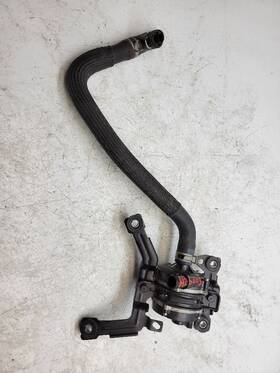
( Manufacturer Part Number: 375W5-K4000 ), ( Model: KONAELEC ), ( Conditions Options: Coolant Pump ), ( Genuine Oem: Yes ), ( Ipn: 324.hy1623 ), ( Descriptionpartcondition: Item Will Show Signs Of Normal, Wear And Use.may Have Scratche ), ( Manufacturer Warranty: 6 Month ), ( Features: 100 Leak Tested ), ( Drive Type: Electric ), ( Type: Water Coolant Pump )
Review HYUNDAI Kona Electric Battery Coolant Water Pump Oem fits 2019–2023
The **Hyundai 375W5-K4000** is a high-performance, OE-quality **coolant water pump** designed specifically for the **Hyundai Kona Electric (KEV)** models spanning the years **2019 through 2023**. This critical component plays a pivotal role in maintaining optimal thermal management within the vehicle s electric powertrain, ensuring efficient heat dissipation from the battery pack, inverter, and other high-output electronic systems. Engineered with Hyundai s stringent engineering standards, this water pump is built to withstand the rigorous demands of electric vehicle operation, where thermal regulation is far more critical than in traditional internal combustion engine vehicles. Constructed from durable materials, including a robust **aluminum housing** and a precision-machined **impeller assembly**, the pump delivers consistent, high-volume fluid circulation to prevent overheating, prolong battery life, and enhance overall system reliability. Its **direct-drive mechanism** ensures smooth operation without the need for belts or pulleys, reducing wear and minimizing maintenance requirements. The pump is also designed to integrate seamlessly with the Kona Electric s **liquid-cooled battery system**, where coolant fluid circulates through intricate channels to absorb and disperse excess heat generated during high-performance driving, fast charging, or extended use. Whether navigating urban commutes or highway cruising, this water pump operates silently yet efficiently, contributing to the vehicle s longevity and performance. For Hyundai Kona Electric owners seeking a direct replacement part that meets or exceeds OEM specifications, the **375W5-K4000** is an indispensable component for maintaining peak operational efficiency and preventing costly thermal-related failures.
### **Pros and Cons of Buying a Hyundai Kona Electric (2019 2023) with a Replacement Battery and Water Pump**
#### **Pros**
1. **Cost-Effective Electric Vehicle (EV) Option**
The Hyundai Kona Electric is one of the most affordable EVs on the market, making it accessible for buyers who want to transition to electric without a high upfront cost. Prices for used models in the 2019 2023 range are significantly lower than new EVs, especially when factoring in potential battery and component replacements.
2. **Proven Battery Technology**
Hyundai s 64 kWh battery pack in the Kona Electric has been in production since 2018, meaning it has undergone several years of refinement. The 2019 2023 models benefit from updates in battery management systems, improving longevity and reliability. While battery degradation is inevitable, Hyundai s warranty (extended under certain conditions) provides some financial protection.
3. **Good Range and Charging Infrastructure**
The Kona Electric offers a **263 298 mile (WLTP) range**, which is sufficient for daily commuting and road trips in many regions. Hyundai s **800V fast-charging capability (introduced in 2021)** allows for **10 80% charge in 30 minutes** at compatible stations, reducing downtime. The growing network of DC fast-charging stations makes long-distance travel more feasible.
4. **Reliable Water Pump and Cooling System**
The water pump and coolant system are critical for battery and electric motor longevity. Hyundai has addressed early cooling system issues (notably in the 2019 2020 models) with updates in later years. A **replacement water pump** (part of the **375W5-K4000** coolant system) is a standard maintenance item, and Hyundai dealers often offer competitive labor rates for such repairs. Unlike some EVs with proprietary cooling systems, the Kona s design is relatively straightforward, making repairs more accessible.
5. **Hyundai s Warranty and Extended Coverage**
- **Battery Warranty:** 8 years / 100,000 miles (pro-rated after 8 years).
- **Drive Unit (Motor/Inverter) Warranty:** 8 years / 100,000 miles.
- **Basic Vehicle Warranty:** 5 years / 60,000 miles.
- **Hyundai offers extended warranties** (e.g., **Power Protection Plan**) that can cover battery degradation beyond the standard warranty period, adding peace of mind.
6. **Low Operating Costs**
Electricity is cheaper than gasoline, and the Kona Electric has **no oil changes, transmission fluid replacements, or spark plug replacements**. Maintenance costs are minimal compared to internal combustion engine (ICE) vehicles.
7. **Tech and Safety Features**
The Kona Electric comes with **Hyundai s Blue Link telematics**, **forward collision warning, lane-keep assist, blind-spot monitoring, and automatic emergency braking** (standard or available depending on trim). Later models (2021 ) include **10.25-inch digital instrument clusters** and **wireless Apple CarPlay/Android Auto**.
8. **Resale Value and Market Demand**
The Kona Electric holds its value better than many ICE SUVs due to growing EV demand. Used Kona Electrics in good condition retain a higher percentage of their original value compared to gas-powered SUVs of similar age.
9. **SUV Practicality and Space**
The Kona Electric offers **good cargo space (23.7 cu. ft.)** and a **roof rack option**, making it practical for daily use. The **all-wheel-drive (AWD) option** (available in some markets) provides better traction in snow or wet conditions.
10. **Environmental Benefits**
Driving an EV reduces carbon emissions, especially if charged with renewable energy. The Kona Electric is a step toward sustainable transportation without the high cost of a luxury EV.
---
#### **Cons**
1. **Battery Degradation Over Time**
Even with Hyundai s warranty, battery capacity naturally degrades over time. A **2019 Kona Electric** may start with **263 miles (WLTP)**, but after **5 7 years**, the range could drop to **200 230 miles**, depending on charging habits. While this is still usable for daily driving, long-distance trips may require more planning.
2. **Higher Upfront Costs for Maintenance**
While maintenance is cheaper than an ICE vehicle, **battery replacement or major repairs** (e.g., a failed inverter or motor) can be expensive. A **new battery** for a Kona Electric typically costs **$5,000 $8,000**, though Hyundai s warranty may cover part of it if the vehicle is still under coverage.
3. **Charging Infrastructure Limitations**
- **Home Charging Required:** If you don t have a **Level 2 charger (40 80 amps)**, charging at home will be slow (a standard 120V outlet adds ** 3 5 miles per hour**).
- **Public Charging Availability:** While networks like **Electrify America, Tesla Superchargers (via adapter), and Hyundai s own stations** are expanding, rural areas may still lack sufficient charging stations.
- **Fast-Charging Wear:** Frequent use of **800V fast chargers** can accelerate battery degradation over time.
4. **Potential Cooling System Issues (Early Models)**
- **2019 2020 Kona Electrics** had reports of **coolant leaks and water pump failures**, leading to overheating concerns. Hyundai issued **recalls and software updates** to address these issues.
- A **replacement water pump (375W5-K4000)** is a **$300 $600 labor part cost**, but this is a **common maintenance item** and not unique to the Kona.
- Later models (2021 ) have **improved cooling systems**, but it s still wise to verify the vehicle s service history.
5. **Limited Off-Road Capability**
While the Kona Electric is a **compact SUV**, it lacks **true off-road features** (no locking differential, low-range gear, or significant ground clearance). If you need **serious off-roading**, a vehicle like the **Tesla Model Y or Ford Mustang Mach-E** may be a better fit.
6. **Software and Infotainment Glitches**
Hyundai s **infotainment system** has received mixed reviews for **lag, app crashes, and occasional unresponsiveness**. While updates have improved it, some users report persistent issues.
7. **Tire and Suspension Wear**
EVs are **heavier than comparable ICE vehicles**, which can lead to **faster tire wear** and **suspension stress**. Replacing tires every **30,000 40,000 miles** is common, adding to maintenance costs.
8. **Depreciation Over Time**
While the Kona Electric holds value better than ICE SUVs, **EV depreciation is still a factor**. A **2023 model** may lose **20 30% of its value in 3 years**, similar to other EVs.
9. **Limited Customization Options**
The Kona Electric has **fewer trim levels and customization options** compared to ICE SUVs. If you want **luxury features, advanced driver aids, or premium materials**, you may need to look at **Tesla, Lucid, or Rivian**.
10. **Potential Battery Recalls or Software Updates**
Hyundai has issued **recalls for battery-related issues** in the past (e.g., **2020 2021 models** had **thermal management system updates**). Always check the **NHTSA recall database** before purchasing.
---
### **Conclusion**
The **Hyundai Kona Electric (2019 2023)**, especially with a **replacement battery and water pump**, is a **strong used EV option** for buyers who want **affordability, reliability, and practicality**. It strikes a balance between **cost, range, and maintenance simplicity**, making it ideal for **daily commuters, urban drivers, and those transitioning to electric**.
#### **Best For:**- **Budget-conscious EV buyers** who want a **low-cost entry into electric driving**.
- **City drivers** who prioritize **ease of use, low operating costs, and decent range**.
- **Those who can charge at home** (or have access to public charging).
- **Buyers who value Hyundai s warranty** and extended coverage options.
#### **Not Ideal For:**- **Long-distance drivers** who frequently take **multi-state road trips** without charging infrastructure.
- **Off-road enthusiasts** who need **serious traction and terrain capability**.
- **Those who dislike software-heavy vehicles** (Hyundai s infotainment can be clunky).
- **Buyers who want luxury features** (the Kona Electric is **not a premium EV**).
---
### **Final Recommendation**
**Buy a 2021 2023 Hyundai Kona Electric** if:You can **verify the battery health** (ask for a **pre-purchase inspection**).
The **water pump and cooling system** have been **recently
Details:
Proof of certification or licensing must be documented and available upon request. COOLANT PUMP 375W5-K4000. Qualifications of Installer: Only a Certified ASE Mechanic or an automotive technician licensed by recognized state national authority may perform the installation. TESTED AND 6 MONTH WARRANTEED.
part #: 375w5k4000 prices
- $96.00-$215.90
specifications ocoosys:
- for makes: Hyundai
- for years: 2019-2023
- mpn: 375w5-k4000
- model: Konaelec
- conditions options: Coolant Pump
- genuine oem: Yes
- ipn: 324.hy1623
- descriptionpartcondition: Item Will Show Signs Of Normal, Wear And Use.may Have Scratche
- manufacturer warranty: 6 Month
- features: 100 Leak Tested
- drive type: Electric
- type: Water Coolant Pump
general ocoosys:
- condition: Used
- Car Truck Parts Accessories > Engine Cooling Components > Water Pumps
offer ocoosys:
- started: April 7, 2026
- availability: In Stock
- sold: 0
- options: Ship-to-home
- best offers: True
- quantity: 1
seller ocoosys:
- # reviews: 4486
- city: Rancho Cordova, California
- rating: 99.9%
shipping ocoosys:
- transit: 3-7 Days
- cost: $0.00
- type: Fixed
- service: Standard
- class: Standard
payments ocoosys:
- other
- wallet: Apple-pay
- credit card: Discover
returns ocoosys:
- time: 30 Days
- paid by: Buyer
- policy: Returns Accepted
Hyundai 375W5-K4000 Is Similar To:
- 25336c1000 Hyundai Radiator Mounting Lower Insulator Rubber Mount Oem For Sonata (29.6% similar) Free shipping is for continental USA only. Part circled in red. No matter what says. Hyundai part number 25336C1000. Rubber parts, gaskets, hardware may need to be replaced and not usable. There may be minor corrosion, scuffs, torn or missing boxes, scratches from storage, etc. Please through for ...(January 28th, 2019)
- 25384-3m250 Chrysler Hyundai Genesis Pwm Cooling Fan Drive Control Module Oem (30.1% similar) Our identity has been verified by and have registered for over 15 years. Feel free to with any questions. Everything shown in picture is included. 90 day warranty on all mechanical and electrical parts. Check pictures for condition of the item. All parts are tested and in good working condition. Oem...(January 27th, 2019)
- 254112e200 Hyundai Pre Owned Oem Radiator Upper And Lower Coolant Hose (30.2% similar) Set of 2 original radiator hose pre owned it good condition see pictures. And 2E200 upper lower for only 7L. Hyundai part number 2E200...(July 8th, 2018)
- 254202e300 Hyundai New Genuine Engine Oil Cooling Hose Tube Oem For (37.2% similar) Please through for any questions. Hyundai part number 254202E300. Sometimes the fitment is so old that it does not take into account trim, engine size or build dates. Shipping:free shipping is for continental USA only. Once purchased you own it. Rubber parts, gaskets, hardware may need to be ...(December 12th, 2018)
- 25430-1e000 Hyundai Oem Accent Htbk Coolant Overflow Fluid Bottle Tank Reservoir (30.8% similar) 6l l4 automatic front wheel drive condition: good condition. All parts tested and in good working cosmetic condition. Please do your research prior of purchasing and consult confirm fitment with mechanic or dealer...(August 6th, 2018)
- 2546837202 Hyundai Engine Coolant Bypass (32.6% similar) Application guide:make model years NOTESHYUNDAITIBURON2003 no matter what says. 7 liter, 1 free shipping is for continental USA only. Please through for any questions. Part circled in red. Once purchased you own it. None of which makes the part defective. Or any other minor issue that does not make ...(November 16th, 2017)
- 25600-2g500 Hyundai 256002g500 Genuine Oem (30.5% similar) ...(September 13th, 2017)
- 2561126100 Hyundai Engine Coolant Thermostat (34.6% similar) ...(December 23rd, 2017)
- 25620-3caa0 Hyundai 256203caa0 Genuine Oem (30.5% similar) ...(September 13th, 2017)
- 256302g700 Hyundai Sonata Thermostat Cooling Water Neck Inlet Housing Oem (40.7% similar) Up for sale new hyundai sonata thermostat cooling water neck inlet housing oem year: part number 256302G700 any questions...(January 31st, 2019)
- 25631-39010 Hyundai New Water Inlet Genuine Oem (30.9% similar) 5l v6 - gas hyundai Santa fe 2005 GLS, LX 5l v6 - gas feel free to write us with any questions, issues, or concerns. 5l v6 - gas hyundai Santa fe 2003 GLS, LX...(July 24th, 2018)