MERCEDES 206-505-01-00 Air Duct Segment Benz
fits model: C300. make: Mercedes. year: 2022–2024.
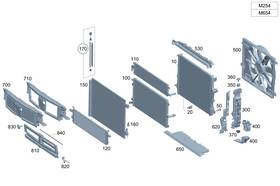
( Manufacturer Part Number: 206-505-01-00 ), ( Part Type: Duct ), ( Genuine Oem: Yes ), ( Manufacturer Warranty: 1 Year ), ( Universal Fitment: Direct Replacement ), ( Make: Mercedes-benz ), ( Year: 2022 2023 2024 ), ( Parts Included: Only Part Reference 530 On The Diagram Is Included )
Review MERCEDES benz Genuine Air Duct Segment fits C300 2022–2024
The **Mercedes-Benz 206-505-01-00 air duct segment** is a precision-engineered component designed to ensure optimal airflow efficiency within the vehicle s climate control system, particularly within the cabin ventilation and heating circuits. This high-quality, injection-molded plastic duct segment is meticulously crafted to fit seamlessly into the HVAC (heating, ventilation, and air conditioning) assembly of select Mercedes-Benz models, maintaining the integrity of the air distribution network. Constructed from durable, temperature-resistant thermoplastic materials, it is engineered to withstand the rigors of continuous airflow, temperature fluctuations, and exposure to moisture, ensuring long-term reliability and resistance to warping or degradation. The duct segment features a precisely contoured design, allowing for an exact fit within the vehicle s under-dash or trunk compartment, where it connects to other air passage components, such as the blower housing, evaporator case, or defroster outlets. Its smooth internal surfaces minimize airflow resistance, promoting consistent and efficient climate control performance, whether delivering heated or cooled air to the passenger cabin or expelling stale air through the defrosting system. This part is a critical element in maintaining the vehicle s comfort and operational efficiency, particularly in ensuring that the HVAC system operates at peak performance without leaks or obstructions. Ideal for OEM replacement or aftermarket upgrades, the **206-505-01-00** is a must-have component for technicians performing HVAC repairs, retrofits, or maintenance, guaranteeing a secure and functional fit that aligns with Mercedes-Benz s stringent engineering standards.
**Pros and Cons of Buying a Mercedes-Benz Part Number 206-505-01-00 (Air Duct Segment)**
### **Pros:**1. **OEM Quality and Fit** This part is an original equipment manufacturer (OEM) component, meaning it is designed to match the exact specifications of your vehicle. It ensures a proper fit, reducing the risk of leaks, improper sealing, or misalignment that could occur with aftermarket or generic parts.
2. **Reliability and Durability** Mercedes-Benz parts are engineered to meet strict quality standards, often built to last longer than aftermarket alternatives. This can reduce the likelihood of premature failure, especially in critical components like air ducts, which contribute to engine performance and emissions compliance.
3. **Compatibility with Vehicle Systems** The air duct segment is part of the vehicle s intake or exhaust system, depending on the model. An OEM part integrates seamlessly with sensors, filters, and other components, ensuring optimal airflow and system functionality without compatibility issues.
4. **Warranty Coverage** If purchased directly from an authorized dealer or a reputable supplier, this part may come with a warranty, providing peace of mind against defects or early wear. Aftermarket parts often lack such guarantees.
5. **Resale Value Preservation** Using OEM parts in repairs or replacements helps maintain the vehicle s original condition, which can be beneficial if you plan to sell the car in the future. Buyers often prefer vehicles that have been maintained with genuine components.
6. **Access to Technical Support** Mercedes-Benz dealers and authorized service centers have access to detailed technical documentation and diagnostic tools specific to OEM parts. This can simplify installation and troubleshooting for mechanics.
7. **Compliance with Emissions Standards** Air duct segments are critical for meeting emissions regulations. An OEM part ensures the vehicle continues to operate within legal limits, avoiding potential fines or failure in emissions tests.
---
### **Cons:**1. **Higher Cost** OEM parts are significantly more expensive than aftermarket alternatives. The price of a Mercedes-Benz air duct segment can be 2 to 4 times higher than a comparable aftermarket part, making repairs costly for budget-conscious owners.
2. **Longer Lead Times** OEM parts, especially for older or discontinued models, may take longer to arrive compared to aftermarket parts, which are often stocked in larger quantities. This delay can be inconvenient if you need the part urgently.
3. **Limited Availability for Older Models** Some Mercedes-Benz parts, particularly those for vehicles no longer in production, may become difficult or impossible to source directly from the manufacturer. You may need to rely on used OEM parts or third-party suppliers, which could compromise authenticity.
4. **Overkill for Minor Repairs** If the air duct segment is only slightly damaged or worn, an OEM replacement might be excessive. In such cases, a high-quality aftermarket part or even a DIY repair (if feasible) could be a more cost-effective solution.
5. **Potential for Counterfeit OEM Parts** Purchasing from unauthorized sellers increases the risk of receiving counterfeit or refurbished parts that do not meet OEM standards. Always buy from trusted sources to avoid this issue.
6. **Installation Complexity** Some OEM parts require specialized tools or expertise to install correctly. If you attempt a DIY replacement without proper knowledge, you might damage other components or fail to achieve a proper seal, negating the benefits of using an OEM part.
7. **Environmental and Ethical Concerns** The production and disposal of OEM parts contribute to environmental impact. Some owners may prefer aftermarket or recycled parts to reduce their carbon footprint, though this is less critical for a single component like an air duct segment.
---
### **Conclusion:**The decision to purchase a Mercedes-Benz part number **206-505-01-00 (air duct segment)** as an OEM component depends on your priorities. If **reliability, longevity, proper fit, warranty coverage, and maintaining the vehicle s value** are your top concerns, then the OEM part is the superior choice. It ensures that your vehicle continues to perform optimally and adheres to manufacturer standards.
However, if **cost, availability, or the severity of the issue** is a major factor, an aftermarket part from a reputable brand (such as Mann, Bosch, or Denso) may offer a viable alternative. Aftermarket parts can be nearly as durable and often come with warranties, though you should verify their compatibility and quality before purchasing.
For most critical repairs especially those affecting performance, emissions, or safety the **OEM part is the recommended choice**. If the part is for a less critical system or the vehicle is no longer under warranty, a high-quality aftermarket option could be a practical compromise.
### **Recommendation:** - **Buy OEM (206-505-01-00) if:**- You value long-term reliability and want to preserve your vehicle s condition.
- The part is essential for emissions compliance or engine performance.
- You have access to an authorized dealer or trusted supplier to avoid counterfeit parts.
- Budget is not a limiting factor, and you prioritize authenticity.
- **Consider an aftermarket alternative if:**- The part is only slightly damaged, and a less expensive option would suffice.
- You are working with a tight budget and have confirmed the aftermarket part meets OEM standards.
- The vehicle is older, and sourcing an OEM part is difficult or excessively costly.
- You are comfortable with DIY installation and have researched the aftermarket brand s reputation.
Always **consult a Mercedes-Benz specialist** before making a decision, especially if the air duct segment is part of a larger system (e.g., intake or exhaust). They can provide insights tailored to your specific model and situation.
Details:
Electrical parts are not returnable. Parts must be resalable and in the original packaging. Shipping Carrier substitutions may be made at our determination in an attempt to reduce shipping cost the customer.
part #: 2065050100 prices
- $23.76-$33.30
specifications ocoosys:
- for models: C300
- for makes: Mercedes
- for years: 2022-2024
- mpn: 206-505-01-00
- part type: Duct
- genuine oem: Yes
- manufacturer warranty: 1 Year
- universal fitment: Direct Replacement
- make: Mercedes-benz
- year: 2022 2023 2024
- parts included: Only Part Reference 530 On The Diagram Is Included
shipping ocoosys:
- class: Standard, Expedited, One-day
- service: FedEx Ground / FedEx Home Delivery, FedEx 2Day, FedEx Standard Overnight
- carrier: FedEx
- type: Fixed
- cost: $0.00
- transit: 2-6 Days
returns ocoosys:
- policy: Returns Accepted
- paid by: Seller
- time: 30 Days
payments ocoosys:
- wallet: Paypal
- other
- credit card: Visa
general ocoosys:
- Car Truck Parts Accessories > Engine Cooling Components > Other Engine Cooling Components
- condition: New
seller ocoosys:
- # reviews: 4397
- city: Warwick, Rhode Island
- rating: 99.6%
offer ocoosys:
- availability: In Stock
- started: February 5, 2026
- sold: 0
- options: Ship-to-home
- quantity: 4
Mercedes 206-505-01-00 Is Similar To:
- 0005000185 Genuine Mercedes New Radiator Drain Plug (42.7% similar) Fitment please see the compatibility's section. To ship the parts, you would get a credit of Europa's. Standard shipping is sent via FedEx smart post which a 5-9 day economy service. 95 and is only available to the USA. Mercedes-benz: 190D 190E 260E 300CE 300D 300E 300SD 300SE 300SEL 300SL 300TD ...(August 17th, 2018)
- 0025422517 Genuine Mercedes Temperature Sender (46.4% similar) Original MB number is now changed to or genuine mercedes temp sensor sender fit many 113 model's...(June 22nd, 2018)
- 0041539728 Mercedes-benz 06 09 E350 (37.6% similar) Local pick-up is available if prior arrangements are made. Buyer pays for all return shipping costs. Shipping costs are only covered on a case by basis...(January 20th, 2018)
- 0051532328 Mercedes-benz Mercedes Oem 10-16 (34.9% similar) This part fits vehicles made in the following years 2010 , 2011 , 2012 , 2013 , 2014 , 2015...(October 23rd, 2017)
- 0081533528 Mercedes-benz Mercedes Oem 10-12 (34.9% similar) Est, Mon to Fri...(April 27th, 2017)
- 05137500aa Mercedes Benz Sprinter 2004-2006 (38.5% similar) Free shipping. Brand new Mopar 05137500AA-001 lower water pump tube with bracket. Fits sprinter with...(January 15th, 2018)
- 121 200 01 58 Mercedes-benz 1955-58 Mercedes 180a 190 (38.7% similar) ...(December 27th, 2016)
- 1236900980 Genuine Mercedes New Quarter (43.8% similar) To ship the parts, you would get a credit of discounted shipping and combined is available on our web site. Standard shipping is sent via FedEx smart post which a 5-9 day economy service. More detailed information is available in the compatibility's section above. Fitment please see the ...(September 5th, 2017)
- 1294760017 Mercedes Benz Ac Cooler Heat Exchange (38.6% similar) ...(April 24th, 2018)
- 1405280704 Genuine Mercedes Benz Scoop Air In (54.1% similar) If you would like to request a quote have this product shipped outside of the contiguous us, please...(July 19th, 2018)
- 1705000200 A1705000200 A 170 500 02 00 Mercedes Intercooler Air Cooler Radiator Oem (30.5% similar) Item may show light scuffs, scratches or other imperfections as a result of this being used part. All the parts are tested either before or after removal from vehicle. All electronics are tested before removed from vehicle...(November 20th, 2018)